Imagine a world where tiny architects, tireless foragers, and underground explorers sync their lives to the pulse of the changing weather. Bees across the United States aren't just summer visitors; they orchestrate intricate cycles of activity and rest, adapting to regional climates from the frosty Northeast to the sunny Southwest. These pollinators play a vital role in our ecosystems and food systems, but their seasonal secrets reveal a dance of survival that's as dramatic as any thriller. In this exploration, we'll uncover the active buzz and dormant slumbers of seven key bee types, highlighting how they thrive amid America's diverse landscapes.
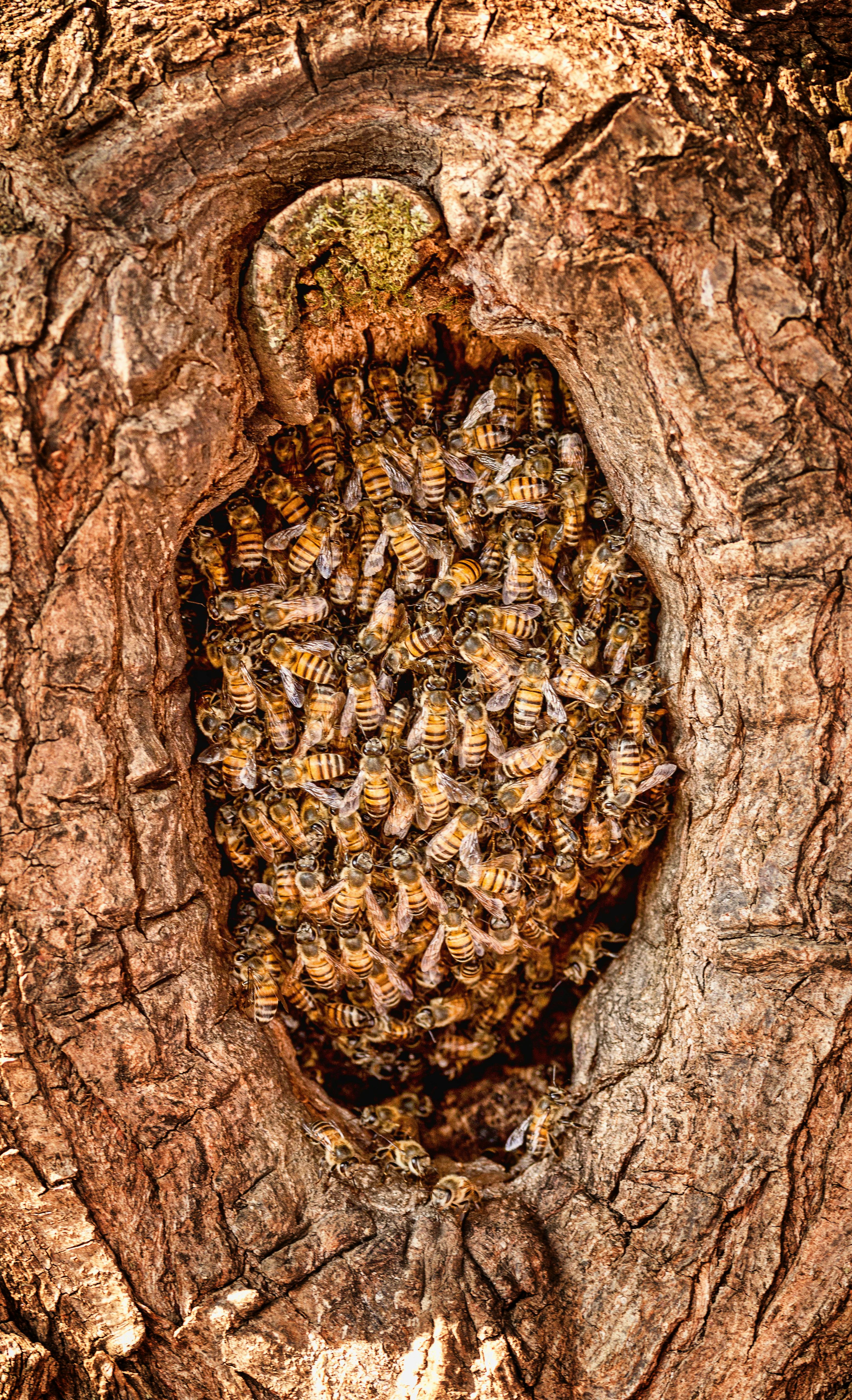
Honey bees, those industrious colony dwellers imported from Europe but now integral to U.S. agriculture, maintain a unique year-round presence in their hives. Unlike solitary species, they don't fully hibernate; instead, during the colder months from late fall through winter—typically November to February in northern states—they form tight clusters to generate heat, surviving on stored honey while ceasing brood production to conserve energy. Come late winter or early spring, around mid-February in places like the Northeast, queens ramp up egg-laying as temperatures climb, kicking off a frenzy of foraging that peaks through summer and into fall, where they gather nectar and pollen from blooming flowers nationwide.
Bumble bees, the fuzzy giants of the bee world with their endearing bumbling flight, follow a more solitary queen-led cycle that captivates with its resilience. In most U.S. regions, queens emerge from hibernation in mid-spring—around April to May, depending on elevation and weather—after overwintering alone in protected spots like leaf litter, wood piles, or shallow soil burrows. They establish new colonies, buzzing actively through summer and early fall as workers forage on wildflowers and crops, but by late autumn, the colony dwindles, with only newly mated queens surviving to hibernate through the winter chill, ready to restart the cycle when warmth returns.
Carpenter bees, nature's woodworkers known for drilling perfect tunnels into untreated timber, awaken with the first hints of spring warmth across the country. In southern states, they might stir as early as March, while in cooler areas it's April or May; males and females mate, and females excavate nests, staying active through the balmy summer months into October, pollinating gardens and wild blooms with their robust flights. As fall cools, they retreat into their wooden galleries or abandoned tunnels for hibernation, emerging refreshed the following year to continue their architectural endeavors without the social hives of their cousins.
Mason bees, early risers among native solitaries and prized for their efficient pollination of orchards, break dormancy when temperatures hit about 55°F, often making them the first bees on the scene in late February to early April in much of the U.S. They buzz busily for 6-8 weeks through mid-spring, collecting pollen from fruit trees and wildflowers to provision mud-sealed nests in natural cavities or bee houses. By late summer, they've developed into adults inside cocoons, entering a dormant phase that lasts through the harsh winter until spring's call pulls them out again for their brief but impactful season.
Leafcutter bees, clever artisans that snip leaf pieces to line their nests, time their emergence for the heat of summer when daily highs consistently top 75°F—typically late June to July in northern and western states. Active for just 4-6 weeks, they forage on a variety of flowers, creating linear nests in cavities like hollow stems or human-made holes, where larvae develop. These bees overwinter as mature larvae within their protective cells, safely tucked away until the next summer's warmth triggers the cycle anew, showcasing their precision in warmer climes.
Sweat bees, a diverse group of small, often metallic-green pollinators drawn to human perspiration, exhibit varied seasonal patterns influenced by local climates. In warmer southern U.S. regions, many species remain active nearly year-round, foraging on flowers from early spring through late fall, with some even buzzing on mild winter days. In cooler areas, they emerge in spring and stay busy into autumn, nesting underground or in rotting wood; most overwinter as dormant adults or pupae in their burrows, with social species sometimes shifting behaviors mid-season to boost colony survival before the cold sets in.
Mining bees, elusive ground-dwellers that create volcano-like soil mounds, are spring specialists whose brief appearances signal the awakening earth. Across the U.S., they typically emerge in March or April—sometimes as early as late February in the South—synchronizing with blooming trees and wildflowers for a 4-6 week active period of nesting and pollen collection in sandy soils. After laying eggs, adults vanish, and the next generation overwinters underground as pupae, patiently awaiting the following year's thaw to burst forth in a flurry of pollination.
Conclusion
From the clustered resilience of honey bees to the solitary hibernations of mining bees, America's bee species reveal a tapestry of adaptations that ensure their survival through the nation's varied seasons. These cycles not only highlight their ingenuity but also underscore the importance of habitat preservation amid changing climates. By understanding when they buzz and when they rest, we gain a deeper appreciation for these essential creatures that sustain our world.
What steps will you take in your own backyard to support these bees during their active and dormant times?
Photo of Honey Bee Swarm in a tree trunk. Credit Gill Heward.