The United States is home to an astonishing array of bee species, with approximately 4,000 native kinds buzzing from coast to coast. While many people picture the familiar honey bee—actually introduced from Europe—the vast majority of bees here are solitary natives that play irreplaceable roles in pollinating wildflowers, crops, and gardens. These range from tiny metallic sweat bees to robust bumble bees and wood-nesting carpenters. Each type has unique habits, appearances, and contributions to our ecosystems and food supply. In this article, we'll spotlight some of the most common and fascinating bee types found across the U.S., highlighting their diversity and importance.
Common Types of Bees in the United States
Honey Bees
Honey bees (Apis mellifera), though not native, are the most recognizable bees in America, widely managed for honey production and crop pollination. These social insects live in large colonies with a queen, workers, and drones, building wax combs in hives or natural cavities. Striped in yellow and black, they forage on a huge variety of flowers, making them versatile pollinators for almonds, apples, and countless other plants. Introduced centuries ago, they've become integral to U.S. agriculture, but face challenges like pests and diseases.
Bumble Bees
Bumble bees (genus Bombus) are large, fuzzy natives with bold black-and-yellow banding, thriving in cooler climates across the U.S. These social bees form annual colonies underground or in cavities, with queens emerging in spring to start new nests. Known for "buzz pollination"—vibrating flowers to release pollen—they excel at pollinating tomatoes, berries, and native plants. Species like the common eastern bumble bee are vital for wild ecosystems, though some, like the rusty-patched, are endangered due to habitat loss.
Carpenter Bees
Carpenter bees (genus Xylocopa) are big, shiny-abdomened solitaries often mistaken for bumble bees, common in wooden structures throughout the U.S. Females bore perfectly round tunnels into untreated wood for nesting, provisioning cells with pollen balls for their larvae. While their woodworking can damage decks or siding, they're gentle pollinators of open-faced flowers and rarely sting unless handled. The eastern carpenter bee is widespread, with males patrolling territories aggressively but harmlessly.
Mason Bees
Mason bees (genus Osmia) are efficient solitary pollinators, especially prized for orchard work in the U.S., with species like the blue orchard bee active in early spring. Metallic blue or black, they nest in existing cavities—stems, wood holes, or bee hotels—sealing chambers with mud. Females gather pollen on their bellies, transferring it effectively to fruit trees like apples and cherries. Gentle and non-aggressive, they're easy to support in gardens for boosted yields.
Leafcutter Bees
Leafcutter bees (genus Megachile) are solitary natives famous for snipping neat circles from leaves or petals to line their nest cells in cavities or soil. Stout and often striped, they carry pollen on underside scopae, making them excellent alfalfa and wildflower pollinators across America. Their leaf-cutting is harmless to most plants, and they're gentle, stinging only if provoked. Managed varieties help with crop pollination in western states.
Sweat Bees
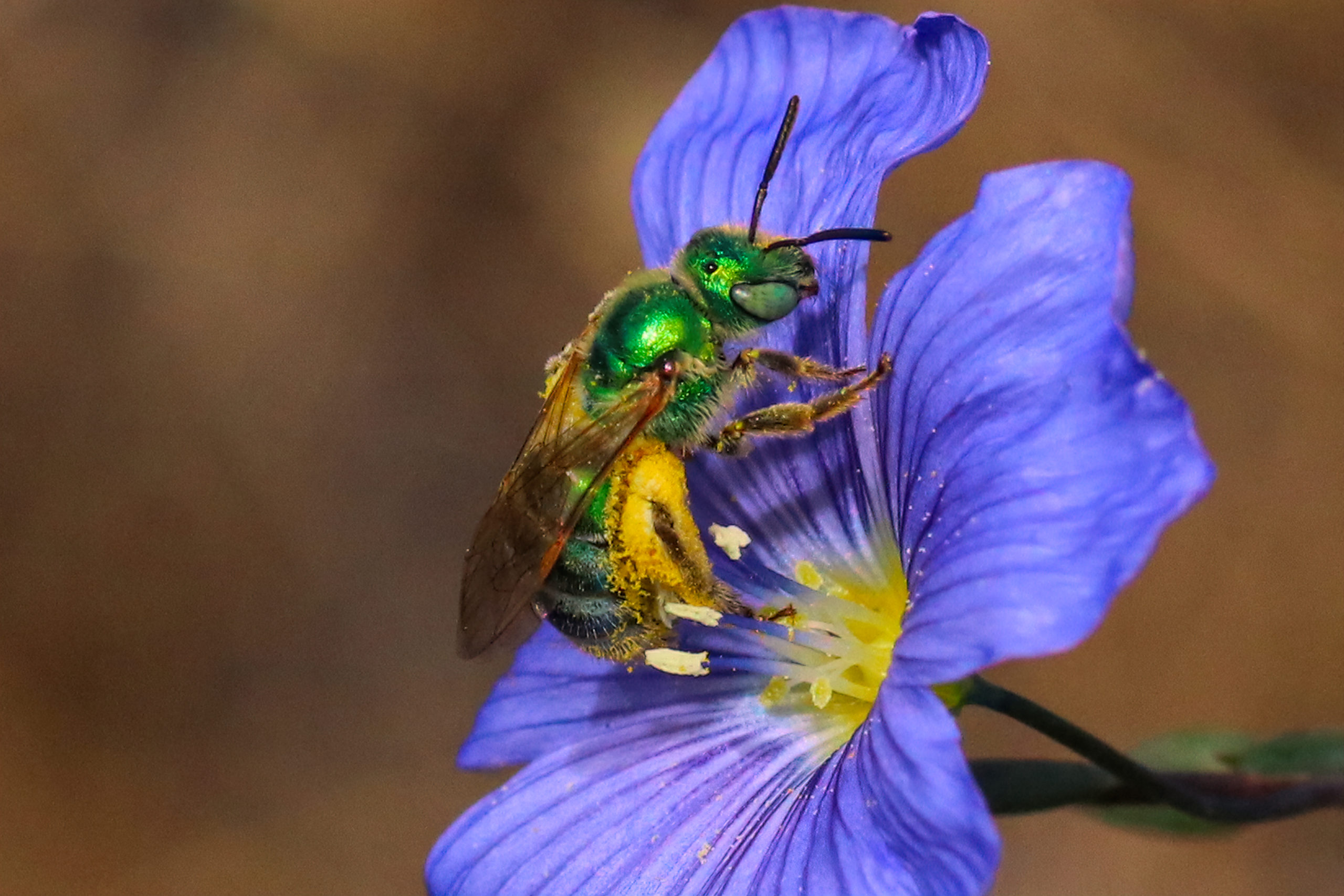
Sweat bees (family Halictidae) are small, often brilliantly metallic green or blue natives abundant in U.S. gardens and fields. Attracted to salty human sweat, many are solitary or primitively social, nesting in ground burrows. Their shiny hues and diverse behaviors make them standout pollinators of wildflowers and crops. Though capable of mild stings, they're generally docile and add vibrant color to summer landscapes.
Mining Bees
Mining bees (family Andrenidae) are early-spring solitary ground-nesters, digging tunnels in lawns or bare soil across the United States. Often fuzzy and earth-toned, they create small volcano-like mounds at nest entrances while provisioning cells for offspring. Important for pollinating spring blooms like fruit trees, they're harmless and non-aggressive, disappearing by midsummer after one generation.
Conclusion
From managed honey bees to myriad native solitaries like bumble, carpenter, mason, leafcutter, sweat, and mining bees, the United States boasts remarkable bee diversity that sustains pollination for food crops and natural habitats alike. Most are gentle, solitary creatures far removed from the hive-dwelling stereotype, each adapted to specific niches yet facing shared threats from habitat loss and pesticides. Celebrating and protecting this variety ensures healthier ecosystems and bountiful harvests for generations to come.
Which type of bee have you noticed most in your area, and what can you do to help support them?
Photo: A metallic green Sweat Bee harvesting pollen on a purple flower.